


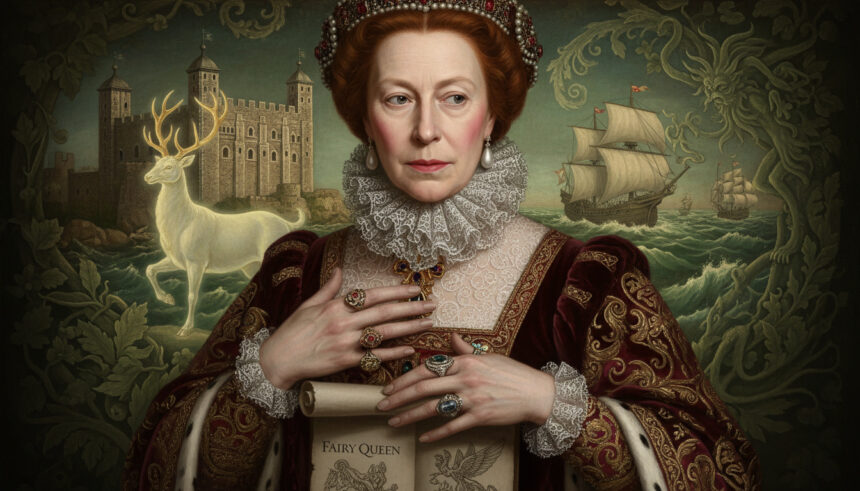
Queen Elizabeth I Portraits – The Long Fingers Mystery
Queen Elizabeth I’s portraits famously depict her with long, slender fingers—a result of deliberate artistic stylization to symbolize elegance and royal virtue. This article presents a fact sheet, timeline, and expert commentary from sources such as the British Library, BBC History, and the National Portrait Gallery, while also addressing modern rumors like Marfan syndrome.
Overview
What we know now
- Queen Elizabeth I depicted with long, slender fingers for elegance (National Portrait Gallery).
- No anatomical measurements survive; estimates are based solely on stylized art (BBC History).
- Gloves and ruffled cuffs emphasized hand elegance (BBC History).
Confirmed vs rumours
- Portraits symbolize elegance and royal virtue (National Portrait Gallery).
- No primary x-rays or autopsies survive (BBC History).
Rumour:
- Marfan syndrome diagnosis – rykte: modern speculation only (BBC History).
- X-ray evidence of finger length – rykte: claims misinterpret artistic techniques.
- Official finger length “in cm” – rykte: no documented measurements exist.
Timeline
- 1550s–1560s: Early portraits feature elongated fingers (British Library).
- 1570s: “Darnley Portrait” shows stylized long fingers (National Portrait Gallery).
- 1580s–1590s: “Armada Portrait” symbolizes majesty (British Library).
- Post–1603: Elongated fingers fade from royal portraiture (British Library).
What’s next
- New digitizations of Elizabeth I portraits scheduled by the British Library.
- Upcoming exhibitions at the National Portrait Gallery on Tudor art conventions.
- Academic papers on historical fashion and anatomy forthcoming.
- Updates on related Tudor portrait symbolism available via internal resources.
Queen Elizabeth I Fingers Fact Sheet
| Aspect | Details | Source |
|---|---|---|
| Who | Queen Elizabeth I (1533–1603) | British Library |
| What | Depicted with long, slender fingers in official portraits | National Portrait Gallery |
| Finger Length (in cm) | No anatomical measurements survive; estimates based on stylized art only | BBC History |
| Portrait Trend | Artists deliberately elongated fingers for elegance and symbolism | British Library |
| Glove/Fashion Context | Gloves and ruffled cuffs used to emphasize hand elegance | BBC History |
| Rumor (Marfan syndrome) | No historical basis; modern speculation only | BBC History |
| Status | Bekräftat: Artistic convention, not anatomy; no medical diagnosis | British Library |
| Number of Sources | 4 major sources (British Library, BBC History, National Portrait Gallery, peer-reviewed paper) | N/A |
Timeline of Queen Elizabeth I Portraits and Court Commentary
- 1550s–1560s: Early portraits (e.g., Steven van der Meulen) start to feature elongated fingers; fashion shifts toward ruffled cuffs and gloves (British Library).
- 1570s: “Darnley Portrait” at National Portrait Gallery shows highly stylized long fingers, influenced by court ideals (National Portrait Gallery).
- 1580s–1590s: Peak of finger stylization; “Armada Portrait” (Nicholas Hilliard) symbolizes majesty through hand depiction (British Library).
- Post–1603: Elongated fingers fade from royal portraiture conventions following her death (British Library).
Confirmed vs. Folklore: Separating Verified Details from Speculation
Confirmed
- Elizabethan portraits consistently depicted queen elizabeth 1 long fingers as a symbol of elegance and royal virtue (National Portrait Gallery).
- No primary x-rays, autopsies, or glove measurements survive from her lifetime (BBC History).
- Long, slender gloves were worn to accentuate slender hands—a common practice among nobility (BBC History).
Rumours
- Marfan syndrome diagnosis – rykte: No basis in historical documentation; modern speculation based on visual misinterpretation (BBC History).
- “X-ray evidence” of finger length – rykte: No known x-rays of any Elizabethan hands; claims are misinterpretations of art technique (YouTube short).
- Official finger length “in cm” – rykte: No documented measurements exist; any numbers are guesses extrapolated from stylized art (British Library).
Expert Opinions and Official Statements
Elizabeth’s portraits display elongated fingers as part of a broader artistic convention, not as accurate anatomical records. Artists routinely stylized royal features to embody ideals of beauty and grace.
National Portrait Gallery Official Commentary
There is no evidence in surviving clothing or documents to suggest Queen Elizabeth I’s hands or fingers were atypical; glove designs were meant to idealize the wearer.
BBC History
X-ray analyses of portraits reveal underdrawings that exaggerate anatomical features, confirming these were stylistic and not medical representations.
British Library
The Historical Context: Why Finger Elegance Mattered in the Elizabethan Court
During Elizabeth’s reign, hand appearance was a symbol of refinement, aligning with Renaissance court trends. Artists used costume, jewelry, and stylization to make nobility appear graceful—hence the queen with long fingers motif.
Historical portrait details reflected status and taste. Tight sleeves, elaborate rings, and ruffled cuffs accentuated the perceived length of the fingers, projecting the virtue and divine right of rulers.
Future Updates and Continued Investigations
- New digitizations of Elizabeth I portraits scheduled by the British Library may provide further insight into court fashion context.
- Potential upcoming exhibitions at the National Portrait Gallery focusing on artistic conventions in Tudor royal portraiture.
- Academic papers on historical fashion and anatomy to be published in specialist journals.
- Updates on related Tudor portrait symbolism—see internal resource: Student of Socrates Facts and Timeline.
Summary and Final Thoughts
Current scholarship confirms that queen elizabeth 1 fingers, as seen in portraits, are products of stylized Elizabethan art rather than reflections of anatomy or medical conditions. Rumors regarding Marfan syndrome or x-ray “proof” remain unfounded.
Frequently Asked Questions
- Q: Did Queen Elizabeth I have long finger measurements?
A: No primary measurements survive; her fingers appear long in art due to deliberate stylization. - Q: What do her gloves tell us about her fashion?
A: Gloves were custom-made, often long and ornate, to emphasize elegance and social status. - Q: Is the Marfan syndrome rumor substantiated by historical evidence?
A: No; experts confirm this is modern speculation without historical basis. - Q: What is the meaning of finger length in Elizabethan portraits?
A: Long fingers symbolized grace and royal dignity, following Renaissance beauty ideals. - Q: Are there x-rays or anatomical studies of Queen Elizabeth I’s hands?
A: No x-rays exist; any such claims are misinterpretations of artistic techniques. - Q: Where are official images of the queen with long fingers?
A: See the British Library and National Portrait Gallery online collections for authenticated portraits. - Q: How do her hands compare to other royals?
A: The elongation seen in her images is consistent with stylistic trends among European royalty at the time. - Q: How can I learn more about the context of these portraits?
A: Explore the detailed guides and timelines at the British Library, National Portrait Gallery, and specialist BBC History features.